No. 218Pet & Primal Play
Spend the agreed rest period in a bed, mat, crate, or other safe space chosen for your pet role.
Task No. 218 of 282
Sleep in Your Pet Space
Spend the agreed rest period in a bed, mat, crate, or other safe space chosen for your pet role.
What it is
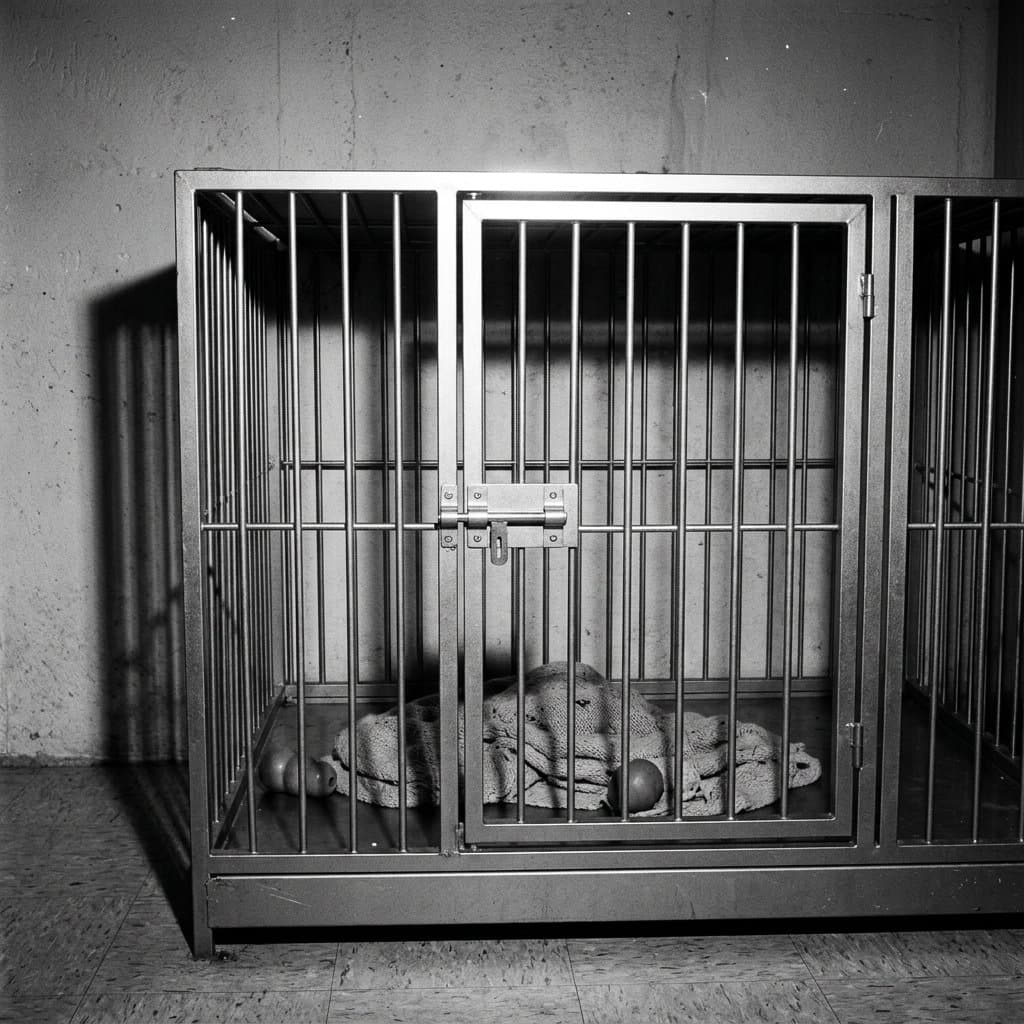
The pet spends an agreed rest period in a bed, mat, open crate, nest, or other safe space selected for the animal role. The area should support comfortable sleep or rest, allow immediate exit, and avoid restrictive gear that becomes unsafe when the pet is unconscious. The task may be a short nap, a bedtime ritual, or simply lying down near the Handler.
Why it is submissive
The pet accepts the Handler’s choice of resting place and treats that space as where the pet belongs. Instead of moving to an ordinary bed or chair, they settle into the designated animal space until the rest period ends. The Handler defines the place and the release ritual.
Why people may like it
A pet bed or nest can feel comforting because the space is intentionally prepared for that role. Some pets enjoy curling up beside the Handler, being tucked in, or waking when the Handler calls them. The change from ordinary sleeping arrangements may create ownership, coziness, vulnerability, or playful embarrassment. Handlers may enjoy providing a safe den and seeing the pet relax inside it.
Ways to run it
- Pet Bed Rest
- The pet lies on a comfortable bed or cushion chosen for the role.
- Open-Crate Nap
- The pet naps in an open crate or enclosure with unrestricted exit.
- Mat Beside the Handler
- The pet rests on a mat near the Handler’s chair, desk, or bed.
- Blanket Nest
- The Handler arranges blankets and pillows into a den-like resting place.
- Morning Release Ritual
- The Handler wakes or calls the pet from the space and gives praise or affection.
How this task works
Sleep in Your Pet Space is a scene task from the pet & pony play chart. This is an in-person task — it needs you and your Dom in the same room. It's a kink task — charged with power exchange, though not explicit.
Intermediate: best once you've built trust, protocol, and a track record together. Risk level is heightened — negotiate carefully, agree on stop signals, and plan aftercare before you start.