 No. 133Pet & Primal Play
Complete the trained commands your Handler gives, such as sit, stay, speak, fetch, or roll over.
Task No. 133 of 282
Perform Pet Tricks
Complete the trained commands your Handler gives, such as sit, stay, speak, fetch, or roll over.
What it is
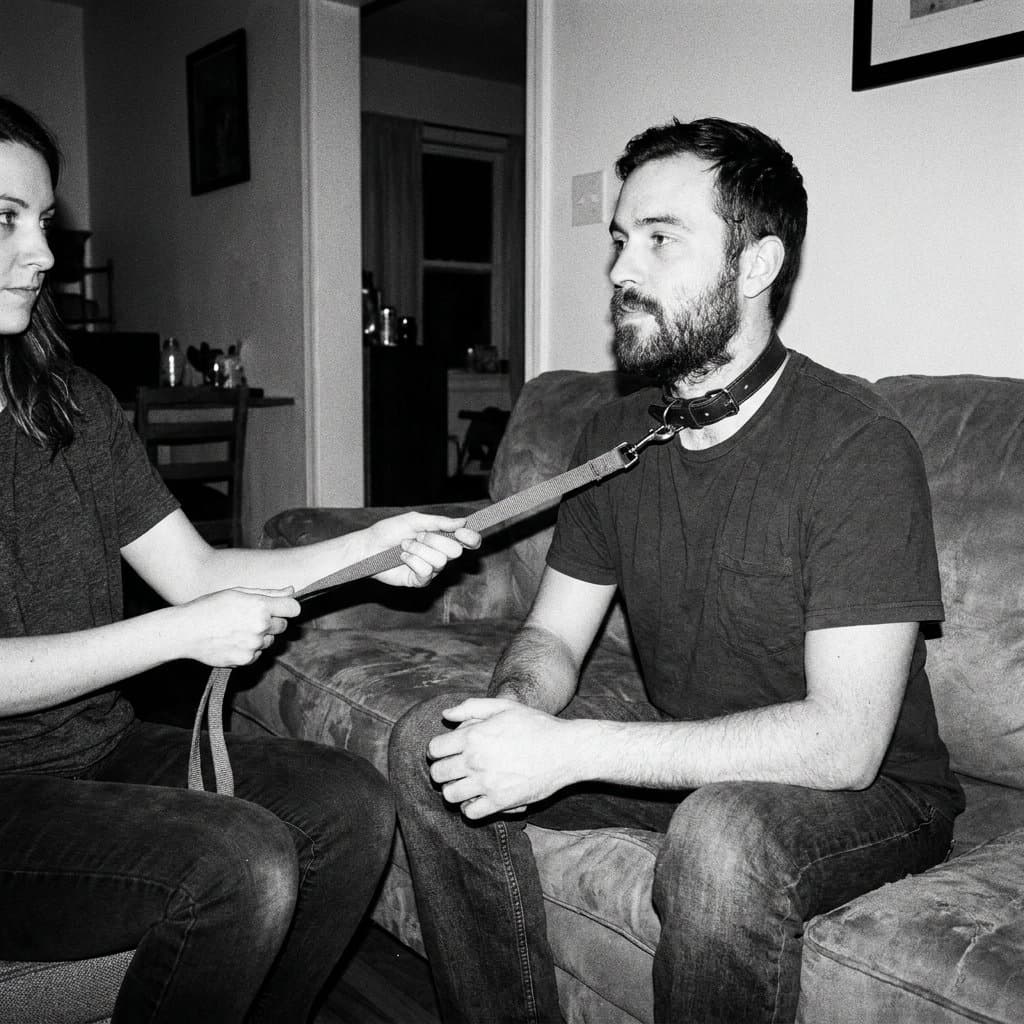
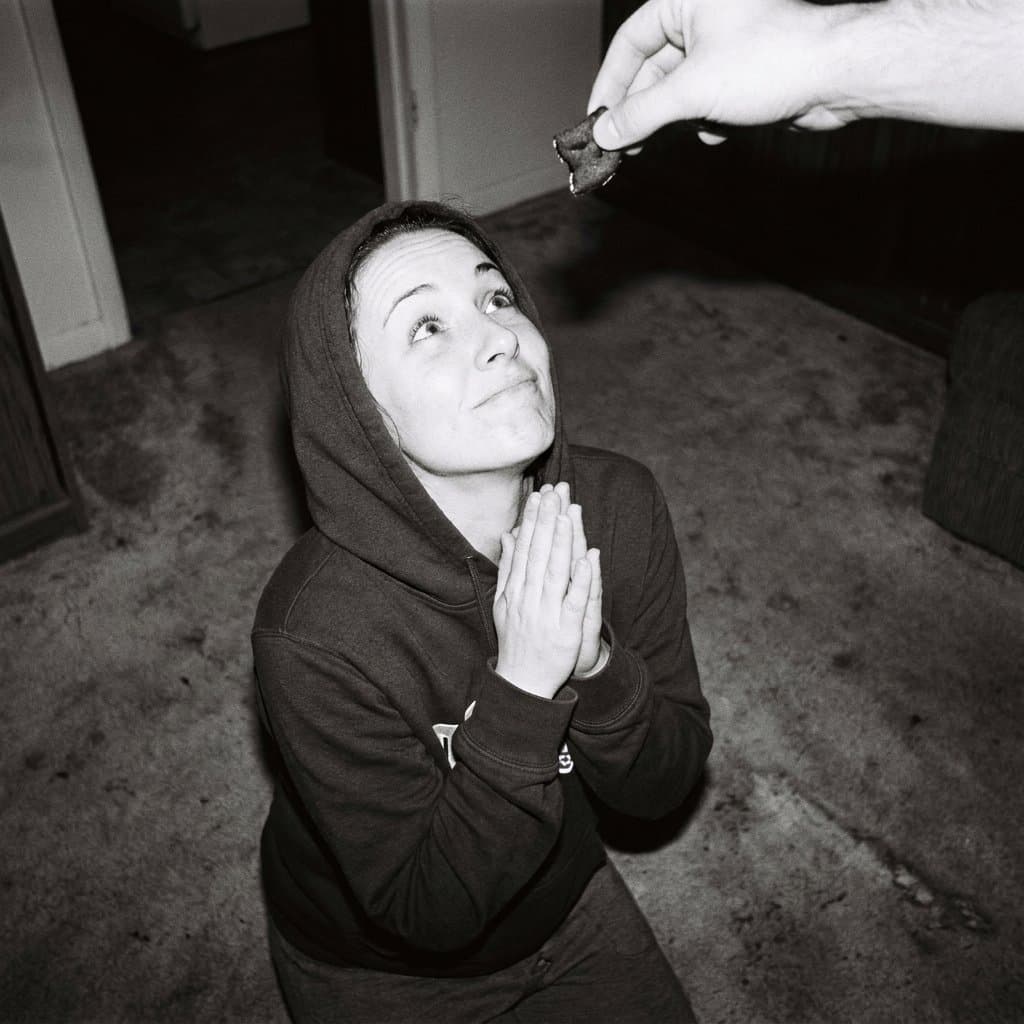
The Handler gives commands the pet has already learned, such as sit, stay, speak, lie down, roll over, heel, or present a paw. Each cue should have a clear expected behavior and a completion signal so the pet knows what counts as success. The task may be a short practice set or a polished performance, but it should not test movements the pet has never learned.
Why it is submissive
The pet trains themselves to respond to the Handler’s animal-specific vocabulary rather than choosing their own behavior. They accept correction, repeat a missed trick, and wait for the Handler’s judgment before treating the command as complete. The Handler defines both the cue and the standard.
Why people may like it
Tricks create fast, playful exchanges with an obvious reward at the end. Some pets enjoy the excitement of hearing a familiar cue and earning praise for responding quickly. Others like the pride of becoming well trained or performing a sequence that once felt awkward. Handlers may enjoy shaping the pet’s behavior and seeing attention, enthusiasm, and obedience come together.
Ways to run it
- Three-Trick Beginner Set
- The pet practices three familiar commands with a clear pause between each one.
- Hand-Signal Tricks
- The Handler uses agreed gestures instead of spoken commands.
- Rapid Command Sequence
- Several familiar commands are given in quick order after the pet is ready.
- Trick With Praise Reward
- Each correct response earns immediate praise, petting, or another agreed reward.
- Final Performance
- The pet completes a rehearsed sequence for the Handler from start to finish.
How this task works
Perform Pet Tricks is a training from the pet & pony play chart. This is an in-person task — it needs you and your Dom in the same room. It's a kink task — charged with power exchange, though not explicit.
Beginner-friendly: a good early assignment in a new dynamic. Standard care applies: negotiate first, agree on limits, and check in afterward.