 No. 162Pet & Primal Play
Retrieve the object your Handler throws or names and present it in the agreed way.
Task No. 162 of 282
Fetch an Object
Retrieve the object your Handler throws or names and present it in the agreed way.
What it is
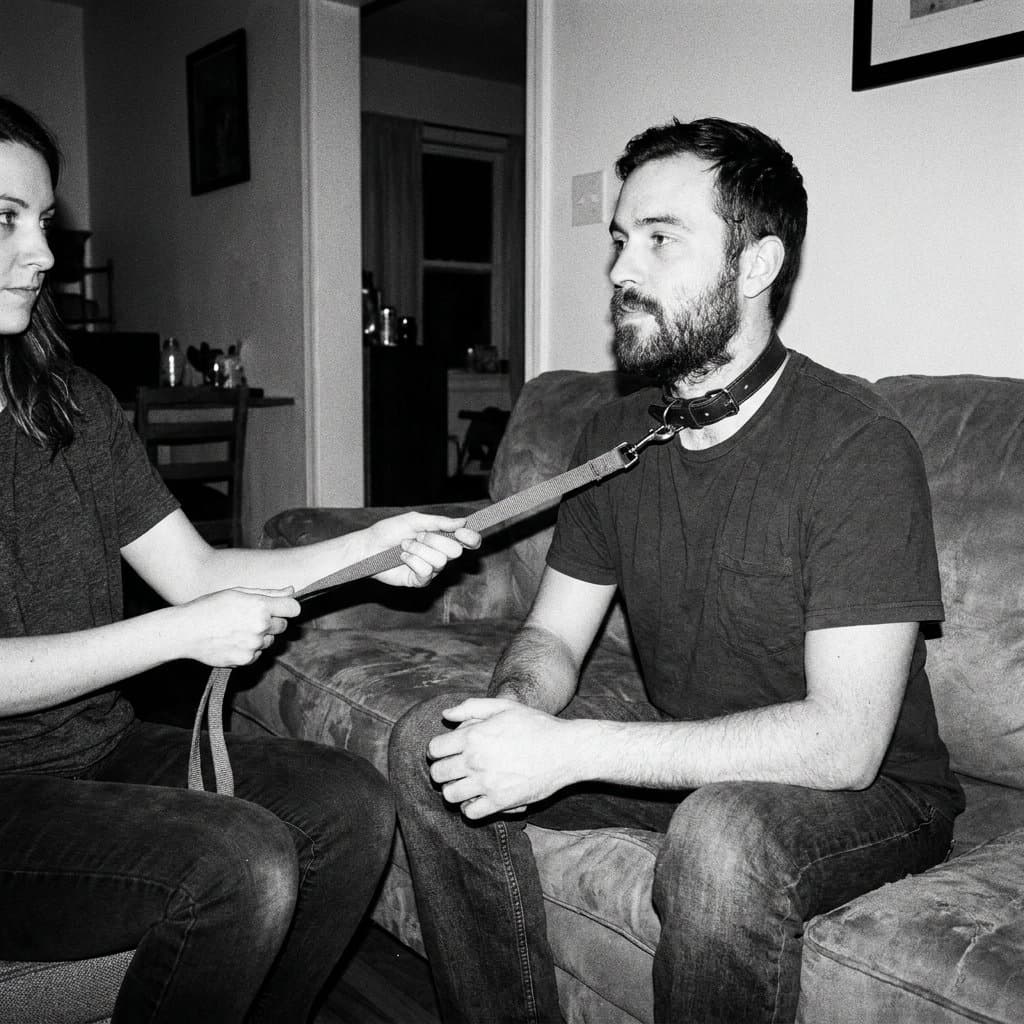
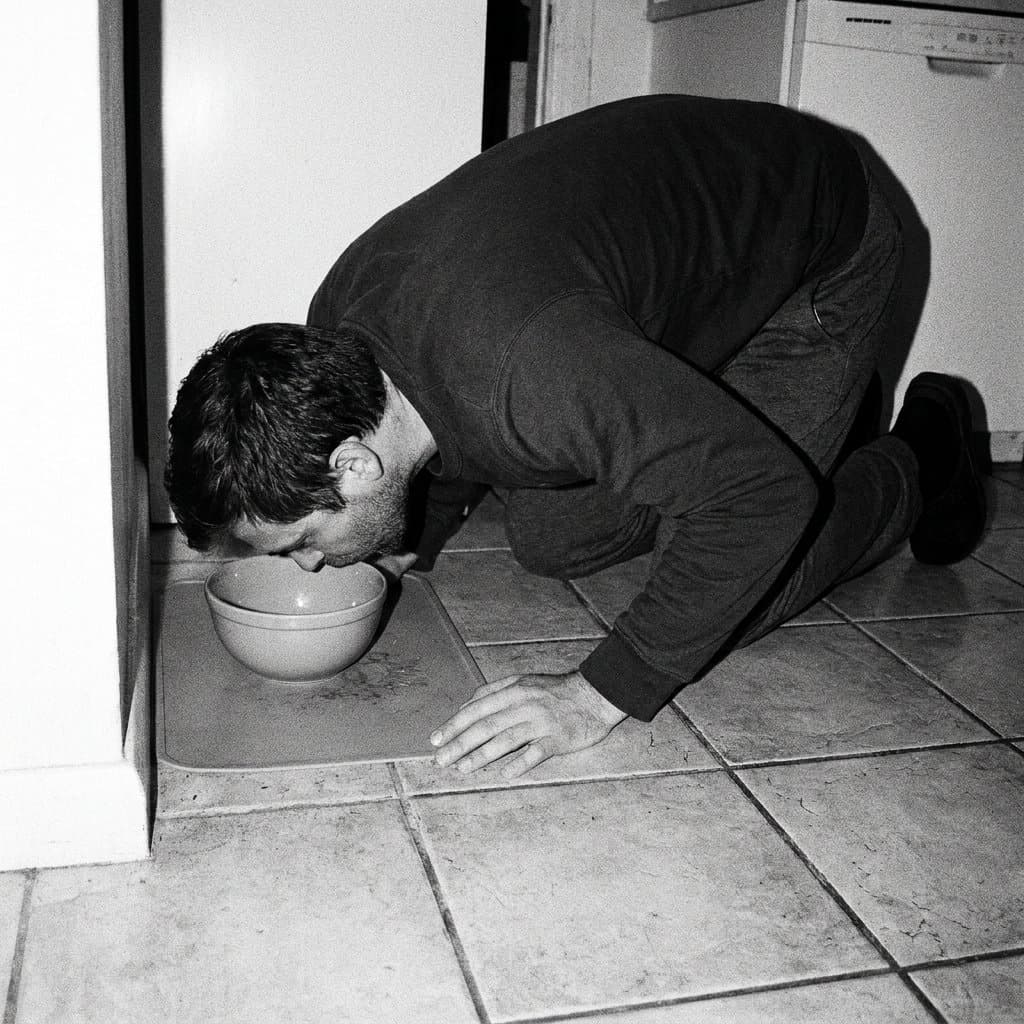
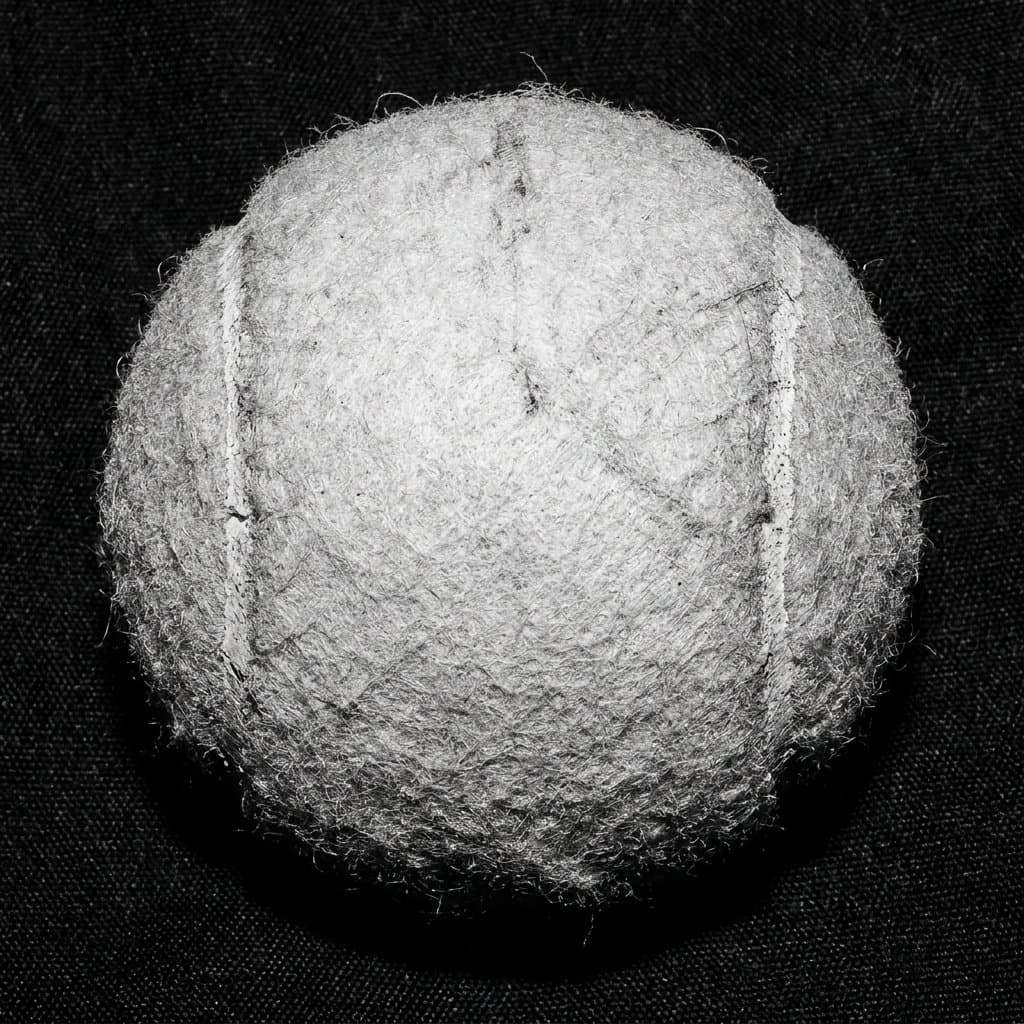
The Handler throws or names a safe object, and the pet retrieves it, returns, and presents or releases it in the agreed way. The object should be lightweight, clean, and suitable for the chosen pickup method. A mouth carry is optional; many pets will use their hands while remaining fully in character. The task is complete only when the object is returned to the Handler.
Why it is submissive
The Handler chooses the object and sends the pet away with a specific purpose. The pet must return rather than keeping, dropping, or redirecting the object elsewhere. Presentation and release happen according to the Handler’s cue.
Why people may like it
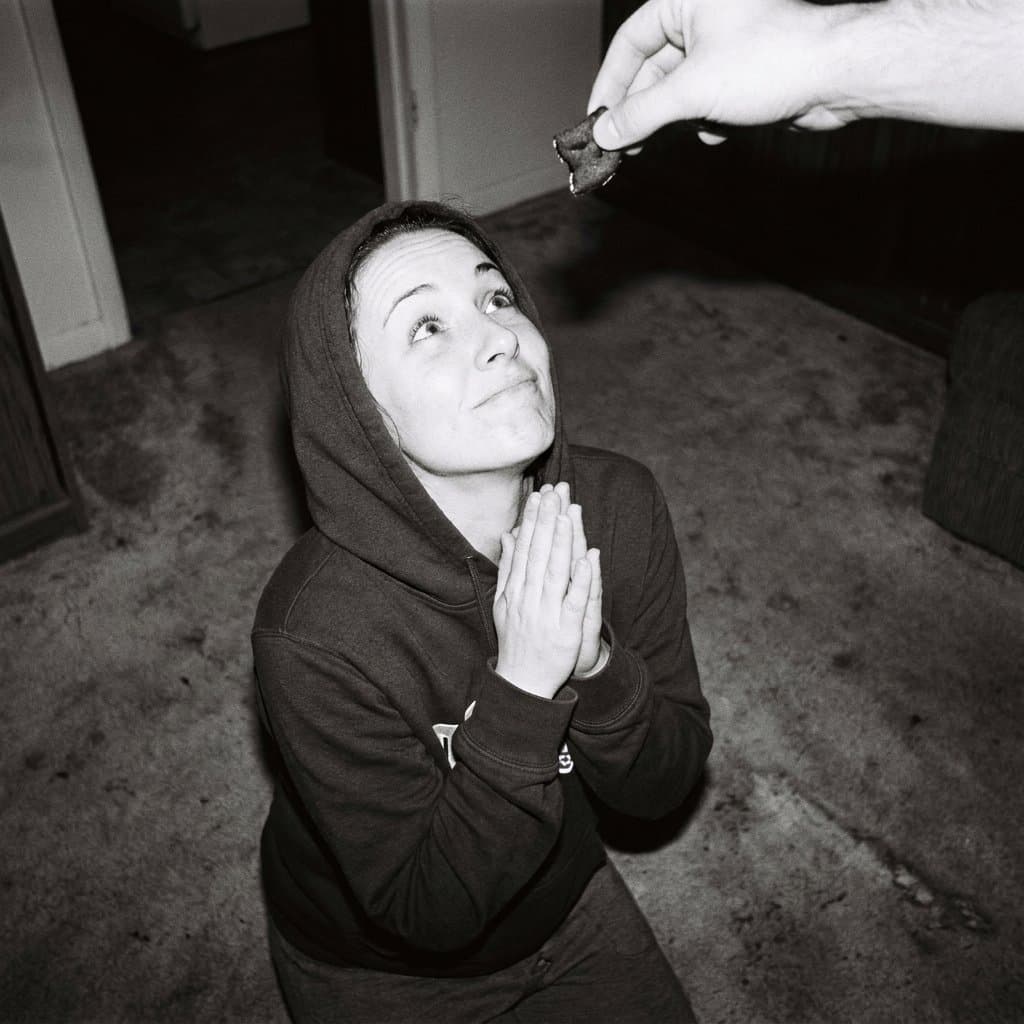
Fetch combines simple purpose with playful movement. Some pets enjoy the burst of excitement from being sent away and then called back, especially when the return earns praise. Others like carrying something for the Handler or presenting it from a low posture. Handlers may enjoy the pet’s eagerness and the clear cycle of command, effort, return, and reward.
Ways to run it
- Thrown Toy Fetch
- The Handler throws a safe toy across a clear indoor or private outdoor area.
- Named-Object Fetch
- The pet finds one object the Handler names and brings it back.
- Hand-Carry Fetch
- The pet uses their hands while keeping the animal posture and behavior.
- Mouth-Carry Fetch
- A clean suitable object is carried gently in the mouth by prior agreement.
- Kneeling Presentation
- The pet returns, kneels or lowers themselves, and offers the object to the Handler.
How this task works
Fetch an Object is a scene task from the pet & pony play chart. This is an in-person task — it needs you and your Dom in the same room. It's a kink task — charged with power exchange, though not explicit.
Beginner-friendly: a good early assignment in a new dynamic. Standard care applies: negotiate first, agree on limits, and check in afterward.