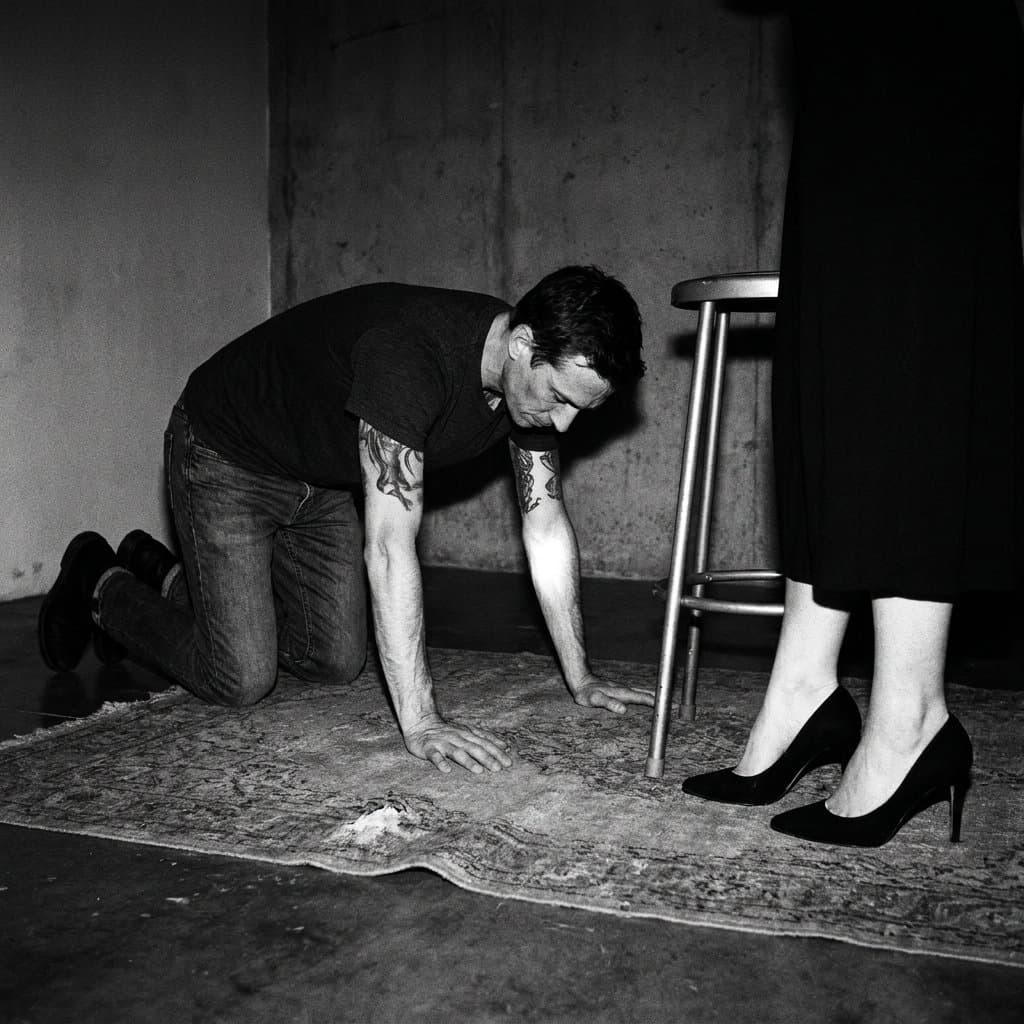
 No. 75Pet & Primal Play
Move on hands and knees and remain near your Handler until given another command.
Task No. 75 of 282
Crawl at Your Handler's Feet
Move on hands and knees and remain near your Handler until given another command.
What it is
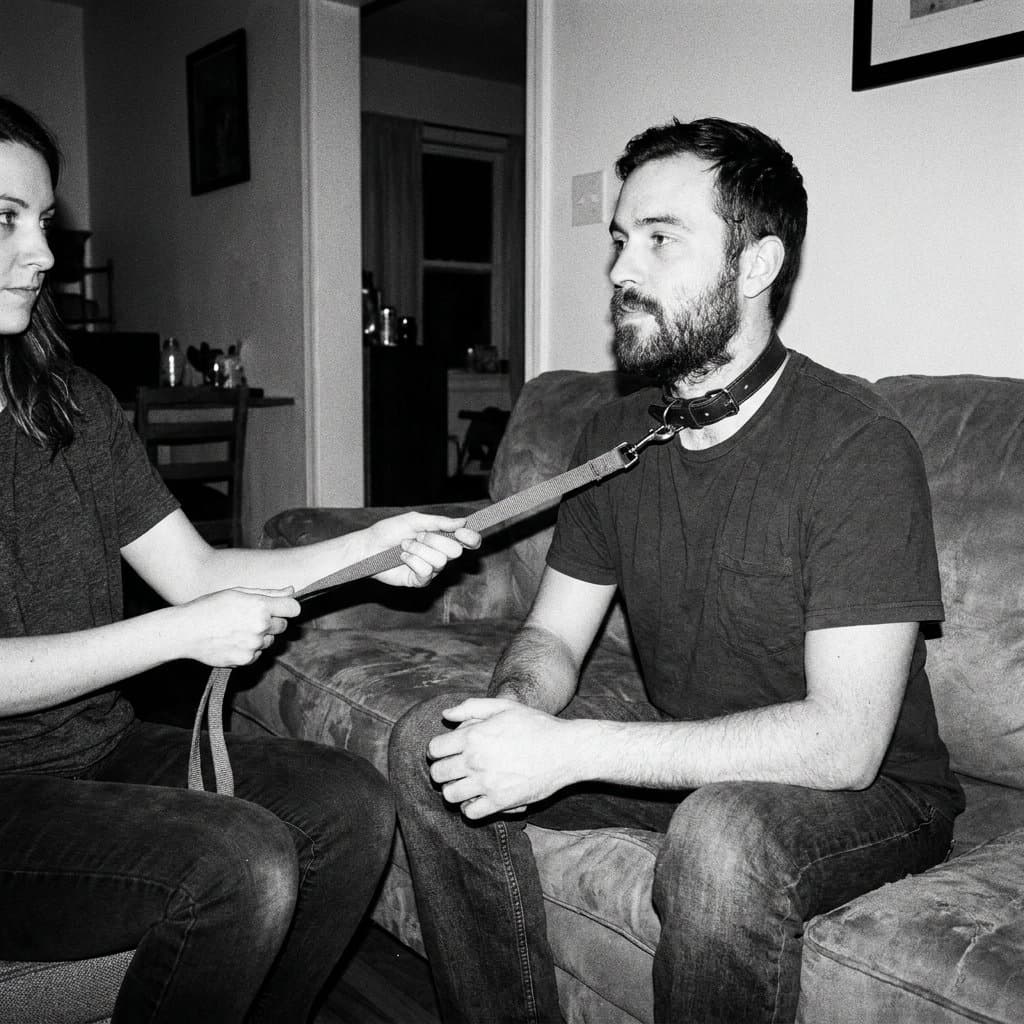
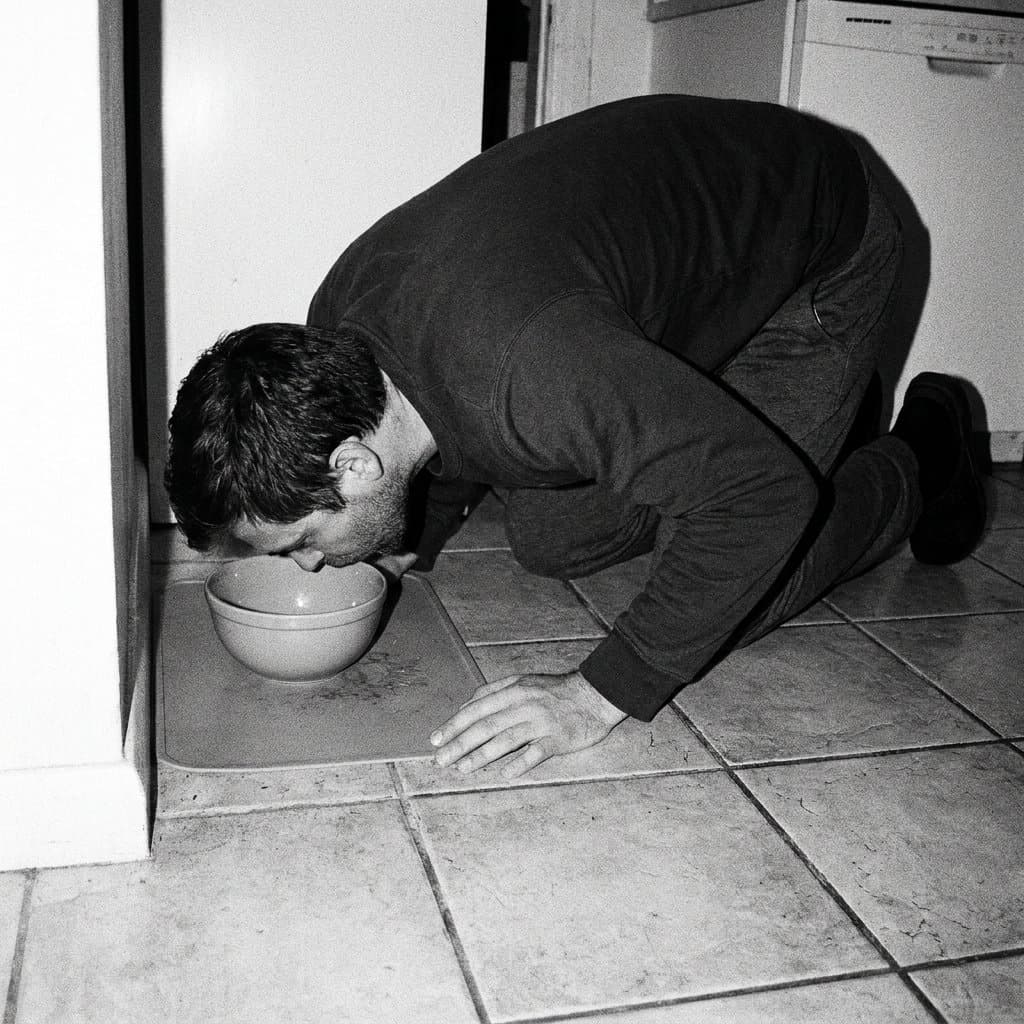
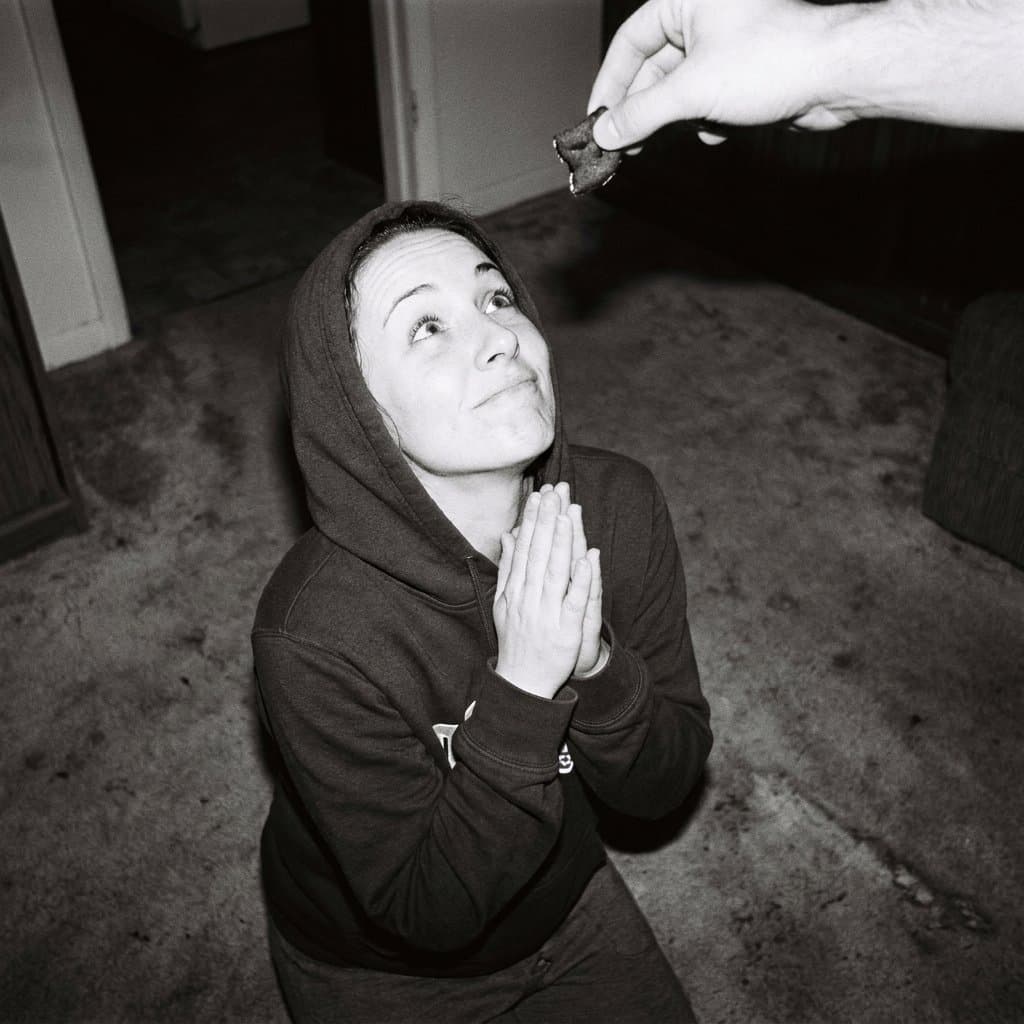
The pet moves on hands and knees and stays close to the Handler until another command is given. The task may involve following at heel, circling the Handler, returning to the Handler’s feet, or completing a short route. Because crawling can strain wrists and knees, it should use a suitable surface, realistic distance, and any padding or adaptation the pet needs.
Why it is submissive
The pet gives up ordinary upright movement and organizes their position around the Handler. Where the pet goes, how close they remain, and when they may rise are determined by the Handler’s commands. The low position makes that control immediately visible.
Why people may like it
Crawling can create a strong sense of becoming an animal rather than merely wearing pet accessories. Some pets enjoy staying close to the Handler’s legs, looking up from below, or moving in a playful, eager way. The posture may feel affectionate, humiliating, energetic, or calming depending on the persona. Handlers may enjoy having the pet physically orbit them and return to a clearly assigned place.
Ways to run it
- Follow at Heel
- The pet crawls beside the Handler and matches short changes in pace and direction.
- Circle and Return
- The pet circles the Handler once and returns to the assigned place at their feet.
- Wait at the Handler’s Feet
- The pet remains low and close until called away or released.
- Short Crawling Course
- The Handler gives a brief safe route across a padded or forgiving surface.
- Adapted Low Follow
- The pet uses knee pads, supports, or another low movement that suits their body.
How this task works
Crawl at Your Handler's Feet is a scene task from the pet & pony play chart. This is an in-person task — it needs you and your Dom in the same room. It's a kink task — charged with power exchange, though not explicit.
Beginner-friendly: a good early assignment in a new dynamic. Standard care applies: negotiate first, agree on limits, and check in afterward.