 No. 191Pet & Primal Play
Use your agreed animal behavior or signal to ask your Handler for affection without ordinary speech.
Task No. 191 of 282
Ask for Petting
Use your agreed animal behavior or signal to ask your Handler for affection without ordinary speech.
What it is
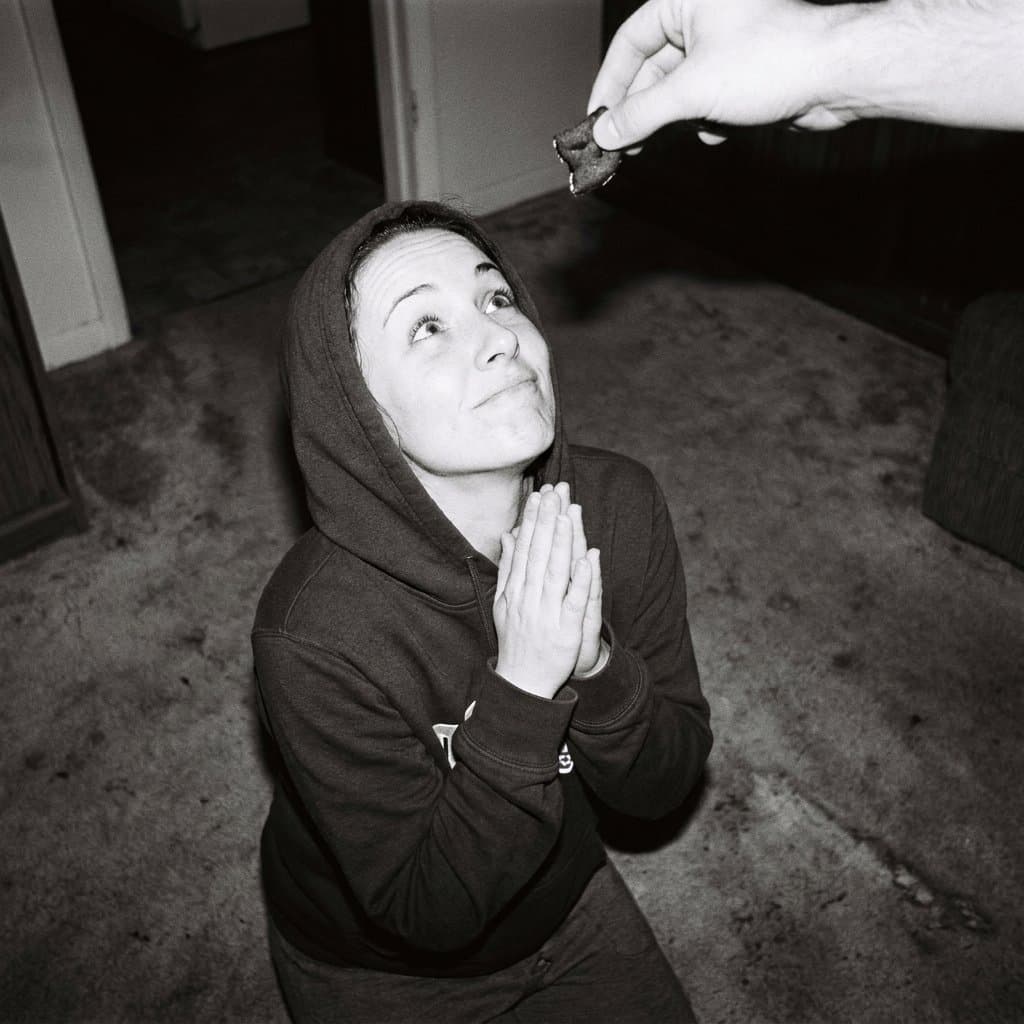
The pet asks the Handler for affection through one agreed animal behavior rather than ordinary speech. The signal might be pawing, nuzzling, resting the head on the Handler’s knee, bringing a toy, rolling over, or sitting attentively. The Handler should know exactly what the signal means, and the pet should still be able to communicate directly when the need is emotional rather than playful.
Why it is submissive
The pet offers a request in the Handler’s chosen pet language and waits for the Handler to accept, delay, or redirect it. They do not simply take touch or demand attention. The Handler controls when the petting begins and what form it takes.
Why people may like it
Asking without words can feel unusually tender and vulnerable. Some pets enjoy being understood through a small gesture, especially when the Handler recognizes it immediately. Waiting for petting can add anticipation, while praise for asking correctly reinforces the animal role. Handlers may enjoy seeing the pet seek them out and deciding when to reward the request with touch.
Ways to run it
- Paw at the Handler
- The pet gently places a hand or paw against the Handler as the agreed request.
- Nuzzle the Hand
- The pet presses their head or cheek into the Handler’s available hand.
- Head on the Knee
- The pet rests their head on the Handler’s knee and waits quietly.
- Bring a Toy
- The pet presents a toy as a request for play, praise, or affection.
- Sit and Wait
- The pet takes the trained attentive posture and waits for acknowledgment.
How this task works
Ask for Petting is a scene task from the pet & pony play chart. This is an in-person task — it needs you and your Dom in the same room. It's a kink task — charged with power exchange, though not explicit.
Beginner-friendly: a good early assignment in a new dynamic. Standard care applies: negotiate first, agree on limits, and check in afterward.