Dom Aftercare: When Your Dominant Wonders If They Went Too Far
Your Dom hit you harder than usual. By the end of the scene, your skin is striped red. You cried. You also asked for more.
Now the scene is over. Under the normal bedroom light, the marks look harsher. Your Dom is no longer focused on the next strike. They are looking at your body and wondering if they misread you.
This is one reason Doms need aftercare. When people talk about BDSM aftercare, they usually focus on the submissive. That makes sense. The sub may be sore or overwhelmed, and they need to feel safe again.
The Dom also has to come back from what happened.
They may have done exactly what you begged them to do and still feel shaken by having done it. That does not mean they regret being dominant. It means they care about what their dominance did to you.
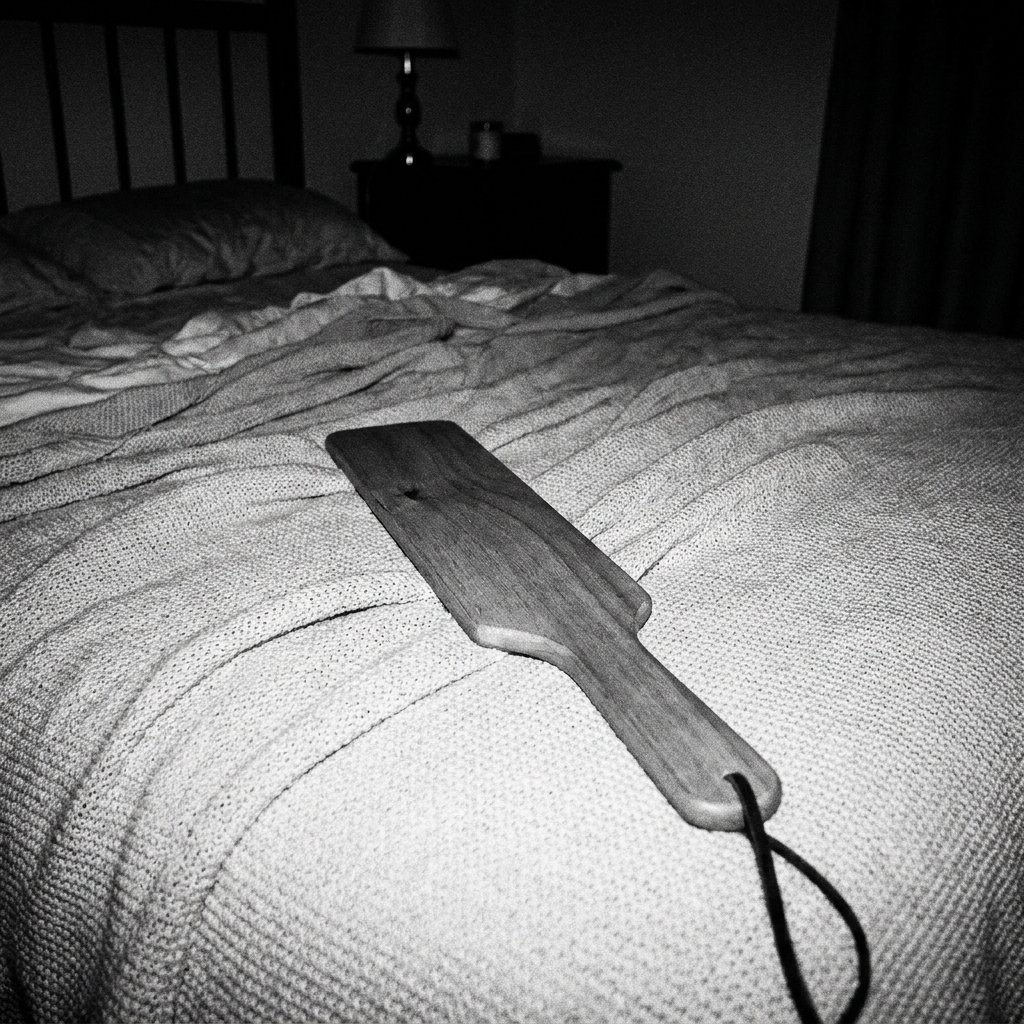
A safeword does not answer every question
During impact play, a Dom watches how you breathe and how your body moves. They listen to your words. They also know that a submissive can cry and still want another strike.
That is not simple information to read. A safeword makes one thing clear: stop. The absence of a safeword does not prove that every part of the scene felt right. A sub can freeze or discover a limit only after crossing it. They can enjoy the scene and still wish one moment had gone differently.
Degradation brings the same problem. An insult can feel filthy and exciting in the moment. Another can hit a real insecurity and hurt in a way neither person wanted. The Dom who said it may notice the change in your face without knowing what caused it.

So the scene ends, but the question remains. Did your Dom take you where you wanted to go, or did they go too far? They cannot answer that alone.
Tell your Dom what actually happened
Once your immediate needs are handled, give your Dom a real answer. Do not stop at saying the scene was good. Tell them which part was good. If the hardest strikes gave you the release you wanted, say so. If you felt safe while you cried, make that clear.
Be just as specific about what did not work. Your Dom needs to know if the cane caught the wrong spot. They need to know if a degrading name stopped feeling erotic and started feeling personal.
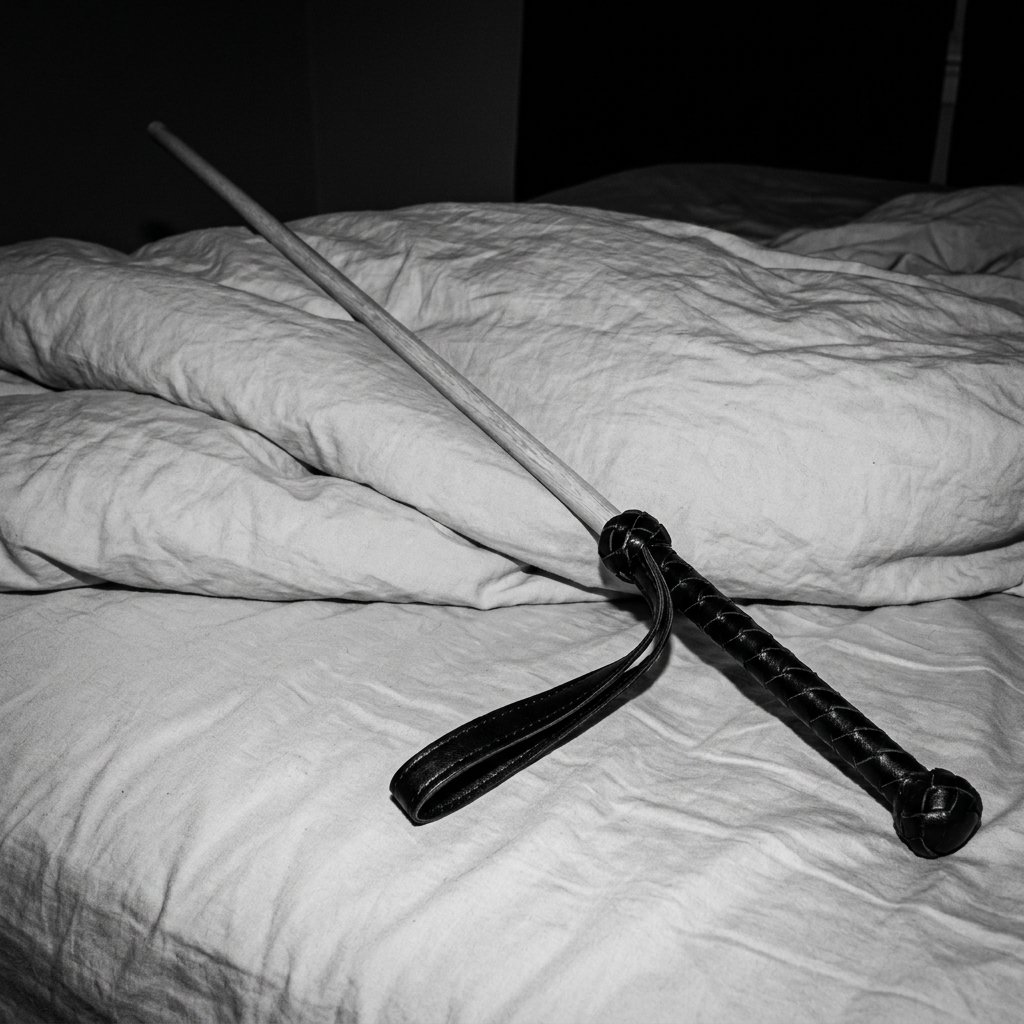
This is useful Dom aftercare because it answers the fear they are actually carrying. They are not wondering whether you would give the scene four stars. They want to know whether they hurt you in the way you wanted, or whether they simply hurt you.
There is a large difference between those two experiences. Your Dom cannot see it by looking at the marks.
Reassurance only works when it is true
If you loved what happened, do not make your Dom drag that answer out of you. Tell them.
You can say that the welts look intense and you are proud of them. You can explain that being called something degrading made you feel exposed in exactly the way you wanted. Clear words help your Dom understand what they saw during the scene.
Do not praise a scene that frightened you just to make your Dom feel better. Dom aftercare is not a demand for absolution. If your Dom hit too hard, say it. If they ignored a change in your reaction, talk about it. If a boundary was crossed, their discomfort cannot become the reason you stay quiet.
A good Dom may feel guilty when they hear that something went wrong. They still need the truth. Your job is not to erase every difficult feeling the scene created for them.
Honesty is better care than false reassurance. It gives the Dom a chance to understand what happened and make a different choice next time.
Care for the person who was doing the hitting
Sometimes a Dom needs more than an answer. Impact play can leave their arm aching. Rope can be hard on the hands and back. A long scene can leave the Dom tired after spending an hour watching you closely.
Ask what they need and listen to the answer. Stay close if your Dom wants your body against theirs. Give them quiet if that is what they ask for. Their need for care is not a crack in their authority.
Receiving care does not make someone less dominant. The Dom did not stop being your Dom because their shoulder hurts or because seeing you cry affected them.
Care can still feel submissive. You can bring them water without turning the moment into a role reversal. You can sit at their feet while they come down. The point is not to create another task for you to perform. It is to let both people recover without forcing the Dom to pretend they feel nothing.

Check again when the marks have settled
Some questions cannot be answered right after a scene. The next morning, the bruises often look darker and a degrading phrase can feel different once the arousal is gone. Sleep can also make your own reaction clearer.
Tell your Dom what you notice. If the marks are more severe than you expected, let them know. If you are still thinking about one perfect moment, tell them that too. The point is not to reopen the whole scene. It is to give both people the information they did not have the night before.
This matters in long-distance dynamics as well. Do not disappear after an intense remote scene and assume your Dom knows you are fine. A short, honest message can stop them from spending the day wondering what your silence means.
Dom aftercare does not need to be complicated
Your Dom may look completely in control while they hit you. They can still wonder afterward whether the last strike was too much. They can enjoy degrading you and still worry that one word cut deeper than intended.
Dom aftercare begins by answering those real questions. Sometimes the answer is that they gave you exactly what you wanted. Sometimes the answer is that they went too far. Both answers are more useful than silence.
Take care of your body first. Then tell your Dom what happened inside you and ask how the scene affected them.
That is not therapy. It is two adults dealing honestly with something intense they chose to do together.
The scene is over. The dynamic isn't.
Collared is where Doms keep the habits, tasks, rewards, and punishments that make D/s last longer than one night. Get it free on iOS or Android.